

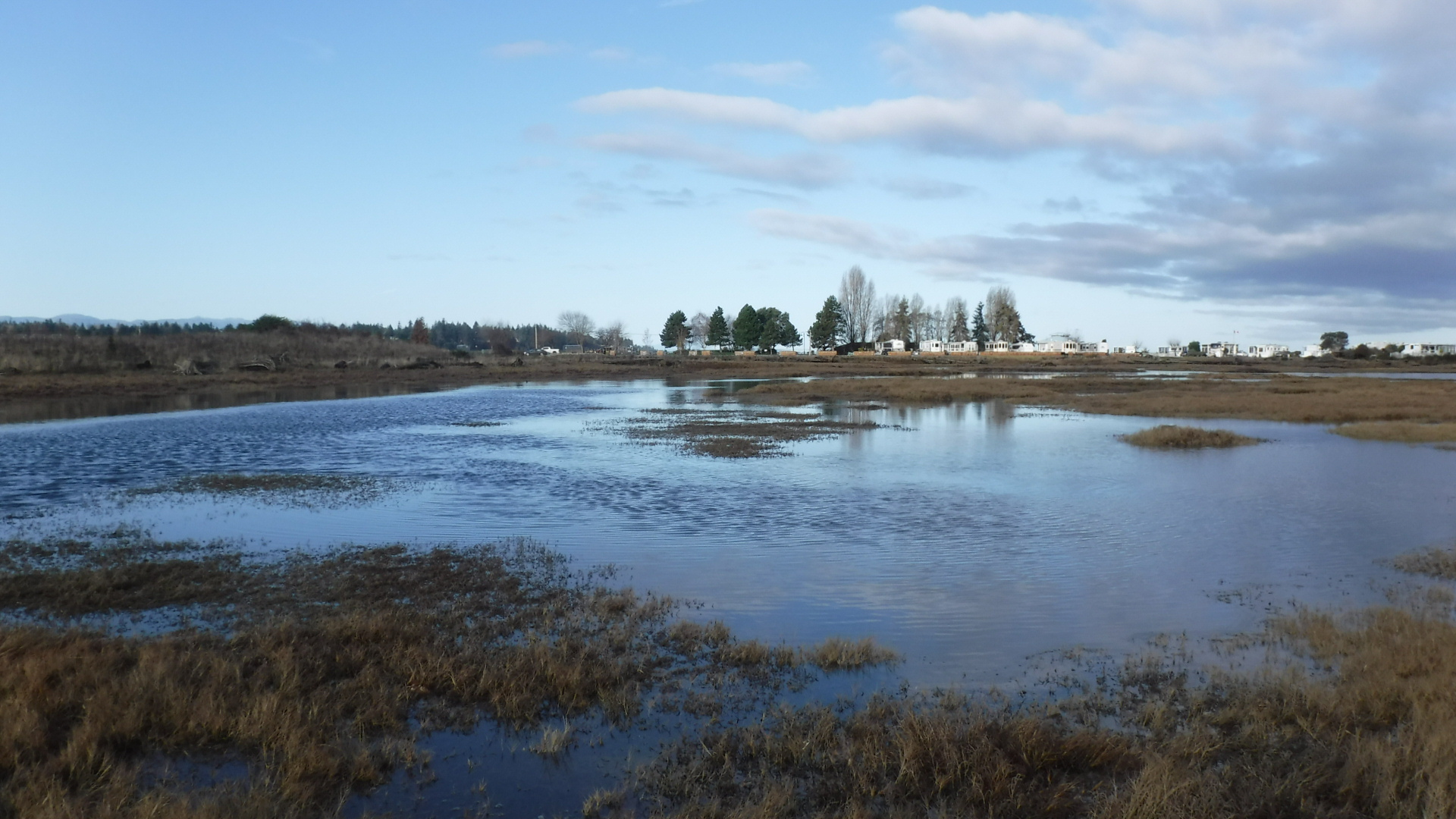
Englishman River Estuary
PROTECTING THE ENGLISHMAN RIVER ESTUARY: HOW YOU CAN HELP
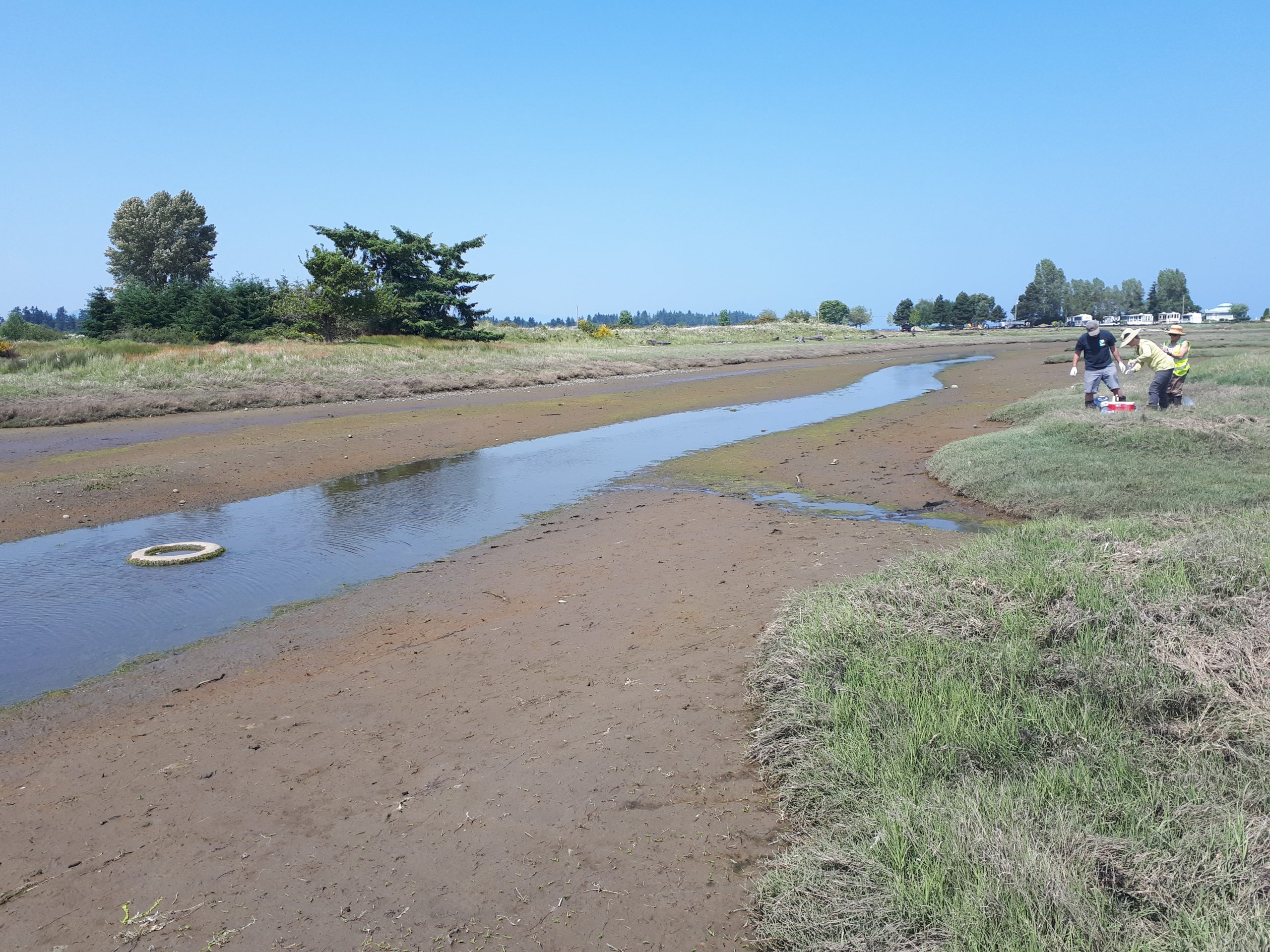
Nestled along the eastern shores of Vancouver Island, the Englishman River Estuary is a vital ecological treasure. As the place where the freshwater of the Englishman River merges with the salty tides of the Strait of Georgia, the estuary provides a dynamic habitat that sustains an extraordinary variety of plants, animals, and marine life. The daily ebb and flow of freshwater and saltwater rapidly recycle nutrients, fostering exceptional biodiversity. Spanning approximately 145 hectares, this rich habitat not only benefits local wildlife but also supports the environmental health of the entire watershed—and, by extension, the surrounding communities.
Recognizing the estuary’s significance, the Mid Vancouver Island Habitat Enhancement Society (MVIHES) has long been devoted to protecting and restoring this precious environment. In 2008, MVIHES undertook a thorough inventory of the Englishman River Estuary—assessing plants, birds, fish, wildlife, and forest communities, while also measuring water quality, salinity, and toxin levels. These findings established a clear snapshot of the estuary’s health, enabling MVIHES to focus its efforts effectively.
One pressing concern is the growing pressure on the estuary from local development. As Parksville’s population expands faster than the provincial average, residential building, shoreline alterations, and other human activities can disrupt delicate estuarine processes. Shoreline hardening, the spread of invasive plants, pollution from stormwater, and increased foot traffic all place added stress on the estuary. To address these challenges, MVIHES collaborates with government agencies, environmental organizations, and community members to remove invasive species, restore native vegetation, and manage water quality through regular monitoring programs.
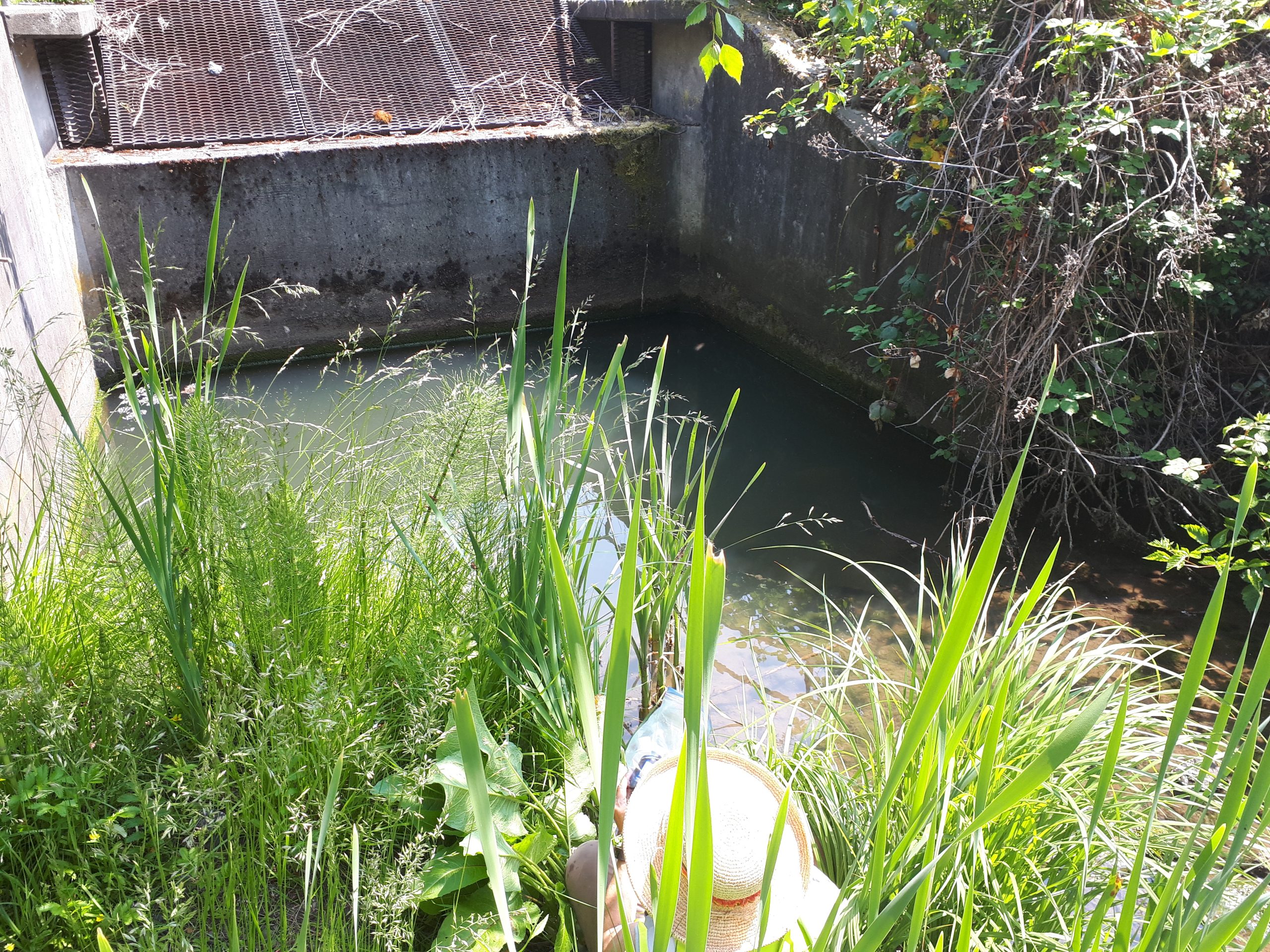
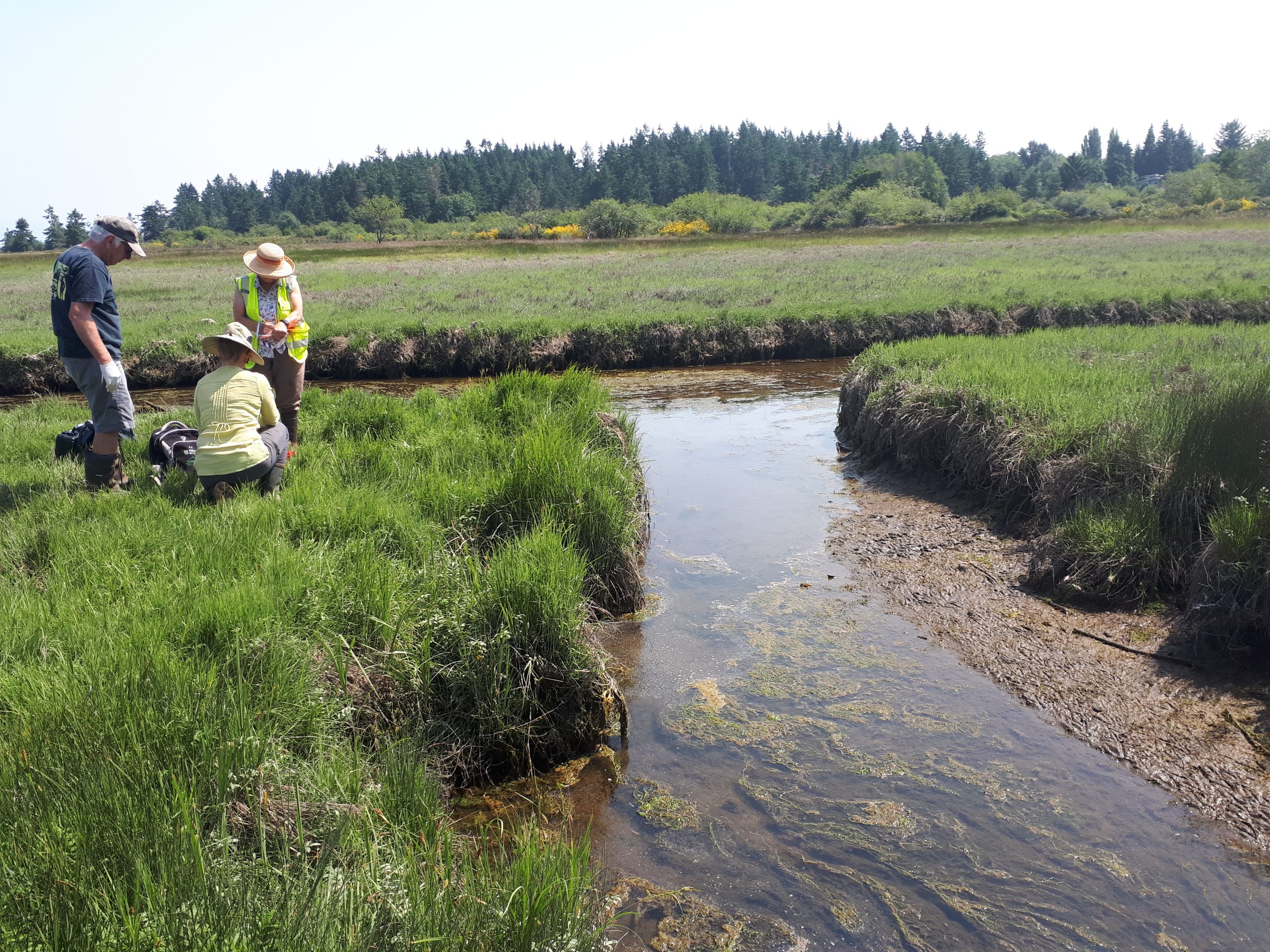
Community involvement remains pivotal to MVIHES’s success. Volunteers, guided by professional biologists and well-designed protocols, gather crucial data on water conditions, wildlife populations, and habitat health. They monitor oxygen levels, nutrient concentrations, pH, salinity, and the presence of pollution or garbage, while recording the diversity of native and non-native plants, fish, and other wildlife. This community-driven research allows for quick identification of emerging problems, helping decision-makers respond with targeted conservation strategies.
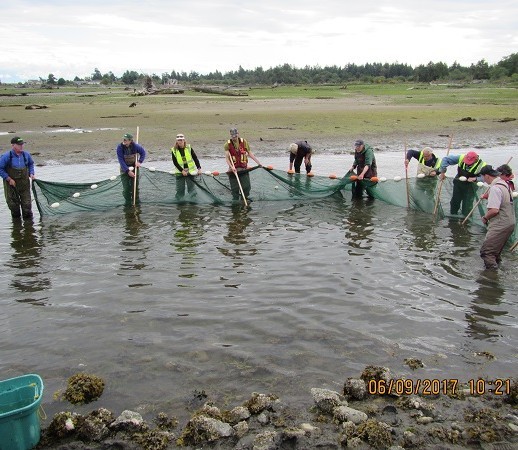
Beyond data collection, volunteers also engage in hands-on restoration work, such as beach seining to study fish populations, removing broom and knapweed, and mapping eelgrass beds. This direct involvement not only benefits local ecosystems but also builds community stewardship and fosters a sense of shared responsibility for the Englishman River Estuary.
By 2019, MVIHES volunteers had completed multiple years of water sampling and beach seining, deepening our collective understanding of the estuary’s ongoing changes. Continued monitoring identifies urgent concerns, celebrates improvements, and highlights areas that still need attention. The success of these efforts is evident in the increased awareness of how valuable a healthy estuary is to wildlife, the watershed, and local residents.
What Does the Estuary Do For You?
- Serves as a storm buffer, absorbing wave energy and rising tidal waters.
- Provides nurseries and critical habitat for many fish and shellfish species—essential for commercial and recreational fisheries.
- Offers open space and recreational areas that enhance quality of life.
- Supports tourism through its scenic beauty and unique wildlife.
- Produces oxygen while filtering pollutants (up to a limit).
- Influences real estate values through proximity to natural amenities.
- Offers fertile soils and freshwater for some of the best farmland.
How Can You Help?
- Become a Volunteer
- Conduct seasonal surveys of plants, birds, and wildlife in the estuary.
- Participate in beach seining, eelgrass mapping, or bird counts.
- Remove invasive species such as broom and knapweed.
- Monitor water quality and quantity, document changes, and share findings.
- At Home
- Conserve water to allow groundwater systems to replenish.
- Sign up for the Salmon-Friendly Lawn Program to reduce chemical use.
- Use eco-friendly cleaning products and natural fertilizers.
- Employ mulching and composting to minimize water consumption.
- Support local conservation efforts through donations or community programs.
- At Play
- Explore the estuary in every season—each visit reveals something new.
- Stay on established trails to avoid trampling sensitive habitats.
- Keep pets away from eelgrass beds and nesting areas.
- Enjoy the natural beauty while leaving no trace behind.
As government funds for monitoring and assessment continue to dwindle, these volunteer-driven initiatives fill a crucial gap in preserving sensitive coastal ecosystems. Supported by professional insight and rigorous methods, the data volunteers collect helps maintain the vitality of a place where ocean and river seamlessly merge—a habitat that countless species depend upon for survival.
MVIHES extends its heartfelt thanks to the many individuals and organizations that have championed the Englishman River Estuary. Special recognition goes to the Pacific Salmon Foundation, Vancouver Foundation, Georgia Basin Living – Rivers Fund, Environment Canada’s EcoAction, Mountain Equipment Co-op, Shell Environmental Fund, Parksville Qualicum Community Foundation, The Nature Trust of BC, the Department of Fisheries and Oceans Canada, the Ministry of Environment British Columbia, the City of Parksville, the Regional District of Nanaimo, Seachange Marine Conservation Society, Qualicum Beach and Parksville Streamkeepers, and the Arrowsmith Naturalists. Their collective support ensures that this vital ecosystem will thrive for generations to come—demonstrating that when a community unites around conservation, the results can be truly transformative.